Merrimack Traveler Maine Guide Style Touring Canoe: Complete Buyer's Guide
 Admin User
Discover the Merrimack Traveler Maine guide style touring canoe, its features, benefits, performance, and buying tips for lakes, rivers, and wilderness trips.
If you're searching for a merrimack traveler maine guide style touring canoe, you're likely looking for a canoe that blends traditional craftsmanship with dependable performance on lakes, calm rivers, and multi-day adventures. Whether you're an experienced paddler or just beginning to explore canoe touring, choosing the right canoe can dramatically improve comfort, efficiency, and safety on the water.
The merrimack traveler maine guide style touring canoe is inspired by the classic guide canoes once used by professional outdoorsmen in Maine. These canoes are appreciated for their smooth tracking, balanced stability, and practical design for recreational touring and wilderness travel. This guide explores everything from construction and performance to maintenance, buying considerations, and how to select the right canoe for your paddling style.
What Is a Merrimack Traveler Maine Guide Style Touring Canoe?
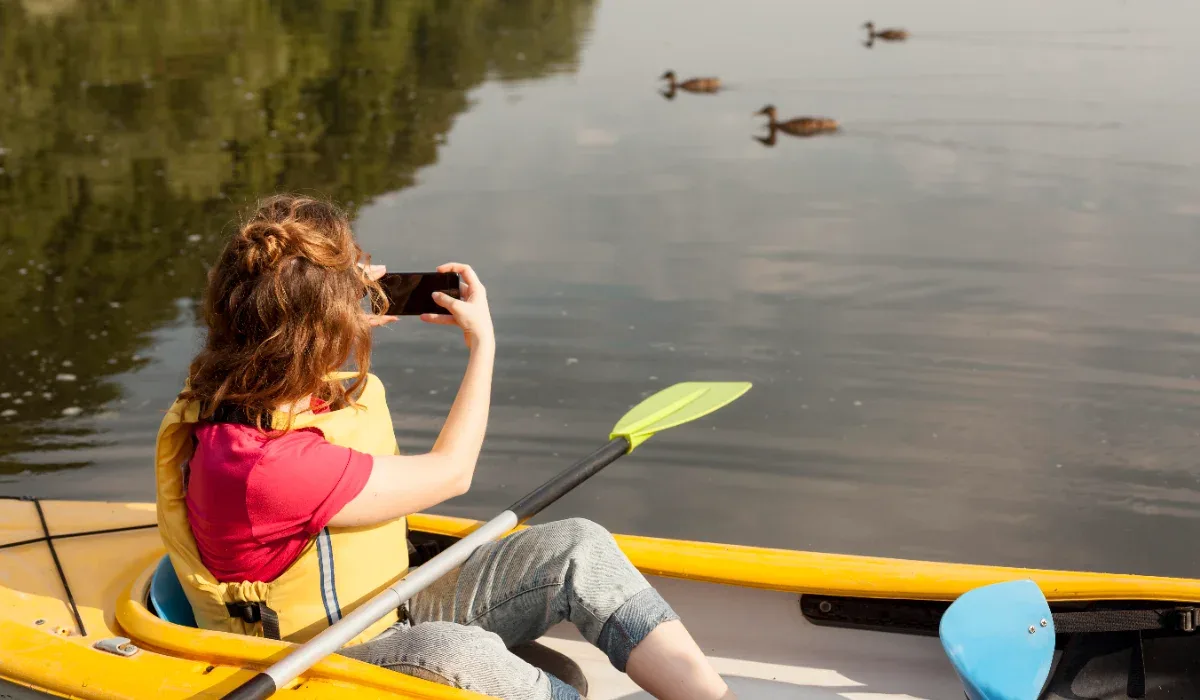
A Merrimack Traveler canoe is a touring canoe influenced by the timeless design principles of traditional Maine guide canoes. It is built for efficiency over long distances while remaining stable enough for recreational paddlers. Unlike highly specialized racing canoes, guide-style touring canoes emphasize versatility, making them suitable for lakes, slow-moving rivers, and wilderness camping trips.
These canoes are known for their graceful hull shape, excellent glide, and predictable handling. Many paddlers appreciate the balance between speed and stability, allowing comfortable travel whether paddling solo with gear or sharing the canoe with a partner.
Traditional Heritage Meets Modern Design
Historic Maine guide canoes were developed to transport guides, clients, camping equipment, and hunting gear across the state's extensive waterways. Modern touring models preserve many of these proven characteristics while incorporating lightweight composite materials, improved seating, and more durable construction.
Today's recreational paddlers benefit from these design improvements without sacrificing the classic feel that has made guide-style canoes popular for generations.
Why This Touring Canoe Stands Out
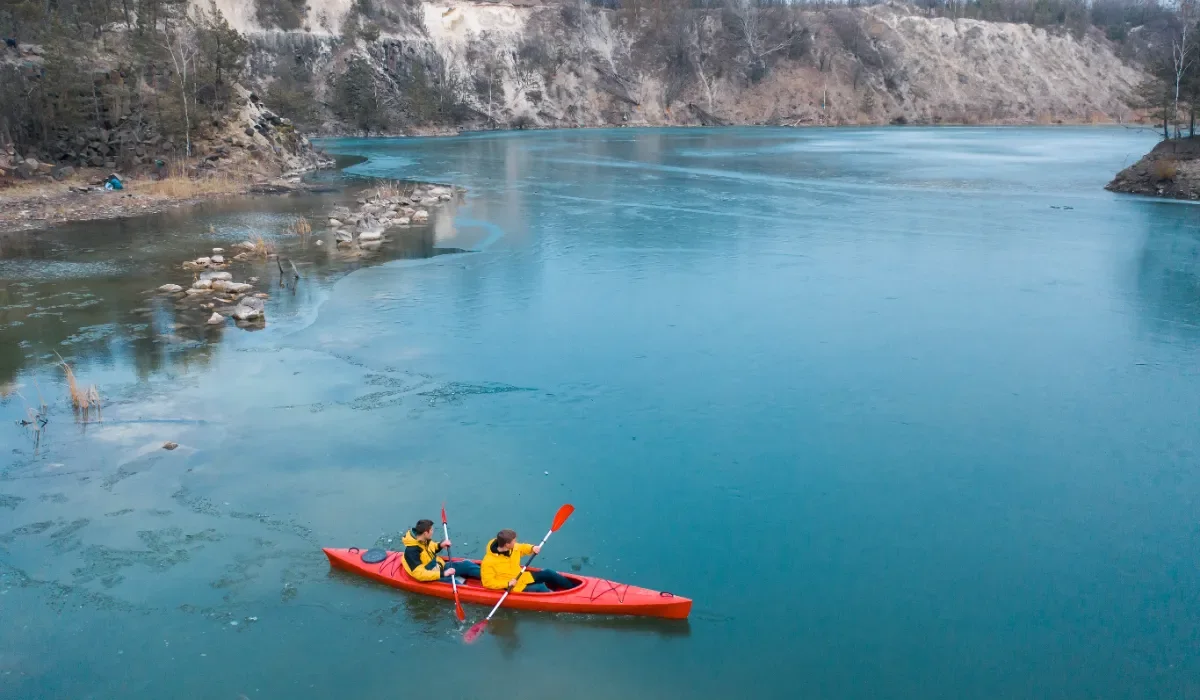
Not every touring canoe performs equally in changing water conditions. The Merrimack Traveler style emphasizes comfort during long paddling sessions while maintaining efficient forward movement.
Some of its most appreciated qualities include:
| FeatureBenefit | |
| Stable hull design | Greater confidence for beginners and experienced paddlers |
| Efficient tracking | Fewer corrective strokes during long trips |
| Comfortable seating | Reduced fatigue on extended journeys |
| Ample storage | Ideal for camping gear and supplies |
| Balanced weight distribution | Improved control in varying water conditions |
These characteristics make guide-style touring canoes suitable for weekend outings as well as extended canoe camping adventures.
Design Features That Improve Touring Performance

Touring performance depends on more than overall length. Hull geometry, rocker, beam width, and construction materials all influence how a canoe behaves on the water.
Efficient Hull Shape
The hull is designed to minimize unnecessary drag while maintaining dependable stability. This allows paddlers to travel farther with less effort, making long-distance excursions more enjoyable.
A moderate hull profile also helps the canoe remain predictable in light waves and changing conditions without feeling overly sluggish.
Excellent Tracking
Tracking describes how well a canoe maintains a straight course. A guide-style touring canoe generally requires fewer steering corrections, conserving energy during all-day paddling trips.
Better tracking also improves efficiency when crossing large lakes or paddling against gentle currents.
Comfortable Seating Position
Comfort becomes increasingly important during multi-hour outings. Well-designed seats encourage proper posture while reducing pressure on the lower back and legs.
Many touring paddlers also appreciate adjustable seating positions that improve overall paddling efficiency.
Materials Used in Modern Touring Canoes
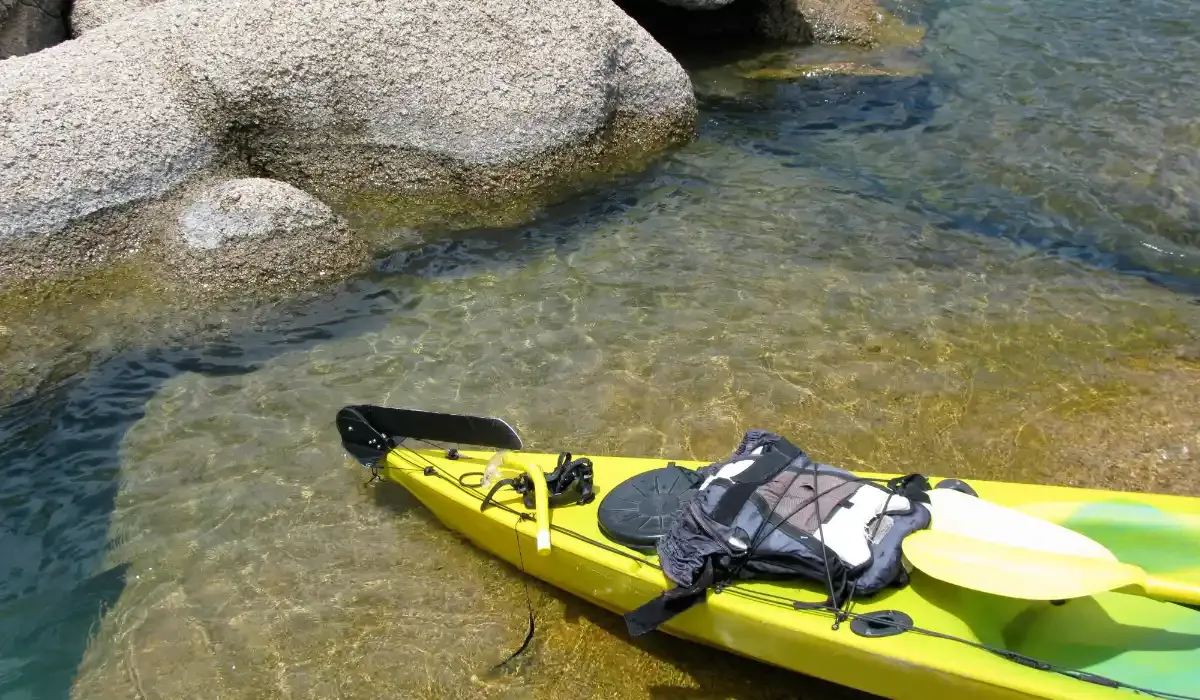
Construction materials influence durability, maintenance requirements, and overall weight. Selecting the right material depends on where and how often you paddle.
Fiberglass
Fiberglass offers a practical balance between affordability, strength, and moderate weight. It performs well for recreational touring and requires relatively little maintenance.
Kevlar
Kevlar remains a favorite among wilderness paddlers because it significantly reduces carrying weight during portages. Although more expensive, its lighter construction makes transportation much easier.
Composite Construction
Many premium touring canoes combine multiple composite materials to improve stiffness while reducing overall weight. These canoes often deliver excellent paddling efficiency with long-term durability.
Ideal Water Conditions
A Merrimack Traveler Maine guide style touring canoe performs best in calm and moderately challenging environments.
Recommended conditions include:
- Quiet lakes
- Scenic rivers
- Slow-moving streams
- Protected bays
- Multi-day canoe camping routes
Although capable of handling small waves, these touring canoes are not intended for demanding whitewater environments.
Solo vs Tandem Touring
One of the advantages of this canoe style is its versatility. Some paddlers enjoy traveling alone with camping gear, while others prefer tandem adventures.
Solo paddling offers greater independence and maneuverability. Tandem paddling increases carrying capacity while distributing effort between two people, making longer trips more enjoyable.
Quick Infographic: Is This Canoe Right for You?
Best For
- Lake touring
- Canoe camping
- Wildlife photography
- Family recreation
- Multi-day expeditions
Less Suitable For
- Whitewater rapids
- Extreme river racing
- Surf conditions
- Highly technical water
Performance on Lakes, Rivers, and Wilderness Routes
One of the biggest strengths of the merrimack traveler maine guide style touring canoe is its ability to perform consistently across different flatwater environments. Whether you're paddling across a peaceful lake at sunrise or navigating a winding river through the forest, the canoe offers a balanced experience that emphasizes efficiency and control.
Its streamlined design allows the canoe to maintain momentum with less effort. This means fewer corrective strokes, smoother tracking, and a more enjoyable journey during long-distance touring.
Lake Performance
Large lakes often present changing wind conditions and small waves. A guide-style touring canoe handles these situations well because of its balanced hull design and dependable stability.
The canoe glides efficiently across open water, making it suitable for recreational touring, wildlife observation, photography, and weekend camping trips.
River Performance
On slow to moderately flowing rivers, the canoe responds predictably while remaining easy to control. Gentle bends, narrow channels, and calm currents are handled comfortably without sacrificing forward speed.
Although it can navigate mild obstacles, it is not designed for technical whitewater where specialized whitewater canoes perform better.
Stability vs. Speed
Many buyers struggle to decide whether they should prioritize speed or stability. Fortunately, the merrimack traveler maine guide style touring canoe offers a practical compromise between the two.
Unlike racing canoes that prioritize maximum speed, this touring canoe provides reassuring stability while still maintaining an efficient cruising pace. That combination makes it appealing to beginners and experienced paddlers alike.
| Performance FeatureRatingBest For | ||
| Initial Stability | ★★★★★ | Beginners |
| Secondary Stability | ★★★★★ | Touring |
| Straight Tracking | ★★★★★ | Long-distance paddling |
| Maneuverability | ★★★★☆ | Calm rivers |
| Cruising Speed | ★★★★☆ | Recreational touring |
Choosing the Right Canoe Size
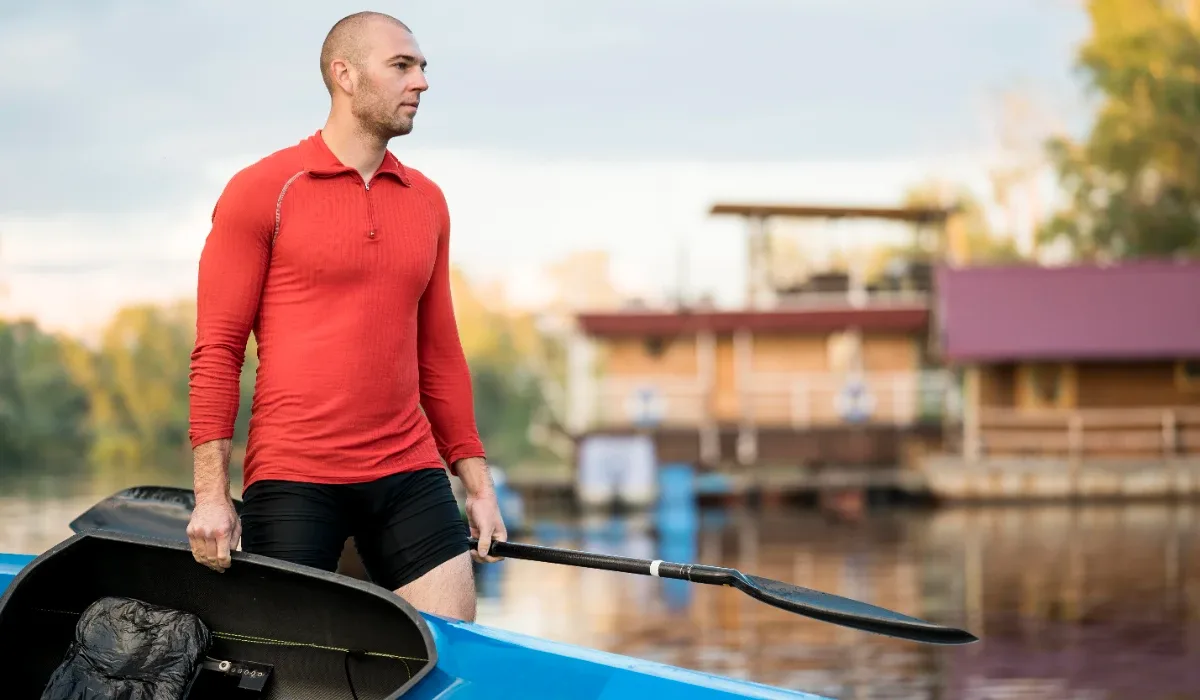
Selecting the correct canoe size depends on how you plan to use it. Capacity, gear, and the number of paddlers all influence the ideal length.
Longer canoes generally provide better tracking and greater storage space, while shorter models are easier to transport and maneuver.
Solo Paddlers
If you frequently paddle alone, a slightly smaller touring canoe offers improved control and easier loading onto a vehicle. It also performs well for day trips and lightweight camping excursions.
Tandem Adventures
Families, couples, and friends often prefer a longer canoe because it provides additional seating space and higher weight capacity. This configuration also distributes paddling effort more efficiently during extended journeys.
Understanding Weight Capacity
Every touring canoe has a recommended maximum load. Exceeding this limit reduces stability, slows the canoe, and makes steering more difficult.
When calculating your total load, include:
- Paddlers
- Camping equipment
- Food and water
- Fishing gear
- Safety equipment
- Dry bags
- Camera equipment
- Emergency supplies
Keeping the load balanced from bow to stern improves handling and overall efficiency.
Essential Gear for Touring
Owning a quality canoe is only part of preparing for a successful trip. The right accessories increase safety, comfort, and convenience on the water.
Recommended equipment includes:
- Lightweight paddles
- Properly fitted life jackets
- Waterproof dry bags
- Throw rope
- First aid kit
- Navigation map or GPS
- Bilge sponge
- Emergency whistle
- Repair kit
- Sun protection
Packing only what you need helps maintain better canoe performance while reducing fatigue during portages.
How to Paddle Efficiently
Even an excellent touring canoe performs best when paired with proper paddling technique.
Maintain an upright posture, engage your core muscles, and use smooth forward strokes instead of relying solely on arm strength. Efficient technique reduces fatigue and allows longer paddling sessions with less effort.
Switch paddling sides regularly when traveling solo to maintain a straight course. Tandem paddlers should communicate frequently to keep their strokes synchronized.
Caring for Your Touring Canoe
Proper maintenance extends the lifespan of your canoe and helps preserve its appearance and performance.
After each trip, rinse away sand, mud, and debris using clean water. Allow the canoe to dry completely before storing it to reduce the risk of mold or material damage.
Avoid prolonged exposure to direct sunlight when storing your canoe outdoors. UV rays can gradually weaken certain materials over time.
Seasonal Maintenance Checklist
Before each paddling season:
- Inspect the hull for cracks or deep scratches.
- Check seats and hardware for loose fittings.
- Examine carrying handles and thwarts.
- Clean and protect composite surfaces.
- Replace worn ropes or accessories.
A few minutes of maintenance each season can prevent costly repairs later.
Common Mistakes to Avoid
Many first-time buyers focus only on appearance instead of choosing a canoe that matches their intended use. Understanding common mistakes helps you make a better investment.
Avoid these errors:
- Buying a canoe that's too small for your gear.
- Ignoring weight capacity.
- Using incorrect paddle length.
- Storing the canoe improperly.
- Skipping routine maintenance.
- Taking a touring canoe into technical whitewater.
Avoiding these issues will improve safety and help your canoe perform as intended.
Pros and Cons
| Pros | Cons |
| Excellent stability | Not designed for whitewater |
| Smooth tracking | Premium models can be expensive |
| Comfortable for long trips | Larger models require more storage space |
| Ideal for canoe camping | Heavier than some ultralight options |
| Suitable for beginners and experienced paddlers | Less agile than shorter recreational canoes |
Is This Canoe Worth Buying?
For paddlers who enjoy exploring lakes, gentle rivers, and wilderness routes, the merrimack traveler maine guide style touring canoe represents a dependable long-term investment. Its combination of stability, comfort, and efficient tracking makes it suitable for weekend outings as well as extended canoe camping adventures.
Instead of focusing solely on speed, this canoe emphasizes overall paddling enjoyment. That balanced design makes it appealing to recreational users who value reliability and versatility.
Buying Guide: How to Choose the Right Touring Canoe
Choosing the right touring canoe involves more than comparing prices. Consider how often you'll paddle, the types of waterways you visit, and whether you'll travel alone or with a partner. A canoe that fits your paddling style will provide a better experience than simply choosing the lightest or least expensive option.
Before making a purchase, evaluate the canoe's construction material, weight capacity, seat comfort, carrying handles, and overall durability. If you frequently transport your canoe by vehicle or carry it between lakes, weight should be one of your top priorities.
Questions to Ask Before Buying
Ask yourself these questions before investing in a touring canoe:
- Will I paddle mostly on lakes or rivers?
- Do I plan to take overnight camping trips?
- Will I paddle solo, tandem, or both?
- How much gear do I usually carry?
- Is lightweight portability important?
- What is my budget?
Answering these questions helps narrow your options and prevents buying a canoe that doesn't match your needs.
Expert Tips for Getting the Best Performance
Even the best canoe performs better when used correctly. Small adjustments in technique and preparation can improve efficiency and make every trip more enjoyable.
- Pack heavier gear near the center of the canoe to improve balance.
- Keep essential safety equipment within easy reach.
- Check the weather forecast before every trip.
- Practice turning and stopping in calm water before longer tours.
- Clean and inspect your canoe after every outing to maintain peak performance.
These habits not only extend the life of your canoe but also contribute to safer and more enjoyable paddling experiences.
Comparison: Touring Canoe vs. Recreational Canoe
| FeatureTouring CanoeRecreational Canoe | ||
| Best Use | Long-distance trips | Casual day outings |
| Tracking | Excellent | Good |
| Speed | Moderate to Fast | Moderate |
| Stability | High | Very High |
| Storage Capacity | Excellent | Moderate |
| Camping Trips | Ideal | Limited |
| Flatwater Efficiency | Excellent | Good |
For paddlers interested in exploring larger lakes or multi-day adventures, a touring canoe generally offers better efficiency and cargo capacity than a standard recreational canoe.
Frequently Asked Questions
Is the Merrimack Traveler Maine guide style touring canoe suitable for beginners?
Yes. Its balanced design and dependable stability make it a good choice for beginners while still offering the performance that experienced paddlers appreciate.
Can this canoe be used for canoe camping?
Absolutely. The spacious interior and efficient tracking make it well suited for carrying camping gear on overnight or multi-day trips.
What type of water is best for this canoe?
It performs best on calm lakes, slow-moving rivers, protected waterways, and other flatwater environments. It is not intended for challenging whitewater conditions.
What material is best for a touring canoe?
The ideal material depends on your priorities. Fiberglass offers a balance of durability and cost, Kevlar reduces carrying weight, and composite materials often provide an excellent combination of strength and efficiency.
How much maintenance does a touring canoe require?
Routine maintenance is relatively simple. Rinse the canoe after use, inspect it for damage, store it away from prolonged sunlight, and check hardware periodically to keep it in excellent condition.
Can one person paddle this canoe?
Many guide-style touring canoes can be paddled solo, especially when properly trimmed. However, some larger models are better suited for tandem use.
Final Thoughts
The merrimack traveler maine guide style touring canoe combines the timeless appeal of traditional Maine guide canoe design with features that meet the needs of today's recreational paddlers. Its dependable stability, efficient tracking, and generous carrying capacity make it an excellent option for exploring lakes, gentle rivers, and scenic wilderness routes.
Whether you're planning weekend outings, photography excursions, or extended canoe camping adventures, choosing a canoe that matches your experience level and intended use will lead to more enjoyable time on the water. By understanding the canoe's design, materials, maintenance requirements, and performance characteristics, you can make a confident purchase and enjoy years of reliable paddling.
Related Articles

Lititz Springs Park Events Restrictions: What Visitors Should Know
Learn about Lititz Springs Park events restrictions, including large-event changes, rentals, alcohol, parking, pets, permits, and visitor rules.

Arang Kel: The Village That Floats Above the Clouds in Neelum Valley
Planning Arang Kel? Learn the route from Muzaffarabad, cable car and trek details, best season, stay options, budget and safety tips for Neelum Valley.

Mizri Ghar: Distance, Weather, Map, History and Travel Guide
Mizri Ghar travel guide: distance from Islamabad and Taunsa Sharif, weather, temperature, map, history and trek details to plan a safe, well-prepared trip.

Congo River: Depth, Length, History, Map and Modern Role
Discover the Congo River’s length, depth, countries, history, map, wildlife, mouth, importance, and latest conservation and climate developments.

Webstaurant: A Detailed Guide to Restaurant Equipment, Supplies, Pricing, and Service
Discover Webstaurant for restaurant equipment and supplies, with expert buying tips, pricing, shipping, returns, and practical guidance for foodservice businesses.

Tunnels Beach Kauai: The Complete Visitor's Guide to Travel Tips
Discover Tunnels Beach Kauai with expert tips on snorkeling, parking, weather, safety, maps, and the best time to visit this iconic Hawaiian beach.